
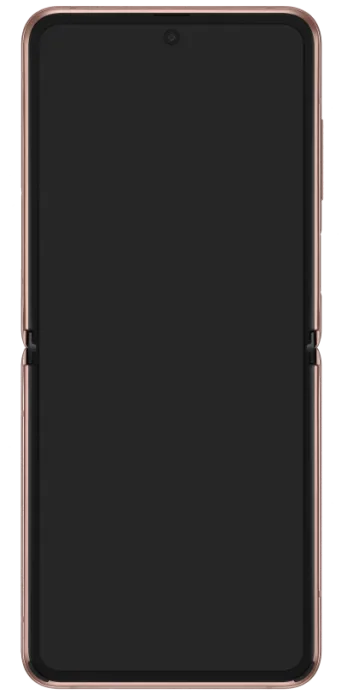
Photo: marcusph via Wikimedia Commons (CC BY-SA 4.0)
Samsung Galaxy Z Flip 7
Samsung Galaxy Z Flip 7 price in: Sri Lanka · India · Pakistan · Bangladesh · Nepal · USA · Canada · UK · Australia · New Zealand · UAE · Saudi Arabia · Qatar · Kuwait · Singapore · Malaysia · Thailand · Indonesia · Philippines · Vietnam · Japan · South Korea · China · Hong Kong · Germany · France · Italy · Spain · Netherlands · Ireland · Portugal · Sweden · Norway · Denmark · Switzerland · Poland · Turkey · Russia · South Africa · Nigeria · Kenya · Egypt · Ghana · Brazil · Mexico · Argentina · Chile · Colombia
Samsung Galaxy Z Flip 7 Price
No verified retailer price for this phone yet.
This usually means the phone was listed very recently — new prices are checked on a rolling basis. In the meantime, see similar phones with live prices.
Full Specifications
Display
| Main Display Type | Foldable Dynamic LTPO AMOLED 2X, 120Hz, HDR10+, 2600 nits (peak) |
| Main Display Size | 6.9 inches, 111.2 cm2 (~88.7% screen-to-body ratio) |
| Main Display Resolution | 1080 x 2520 pixels, 21:9 ratio (~397 ppi density) |
| Cover Display Type | Super AMOLED, 120Hz, 2600 nits (peak) |
| Cover Display Size | 4.1 inches |
| Cover Display Resolution | 948 x 1048 pixels (Gorilla Glass Victus 2) |
Platform
| OS | Android 16, up to 7 major OS updates |
| Chipset | Exynos 2500 |
| CPU | Octa-core (details not specified) |
| GPU | Not specified |
Memory
| Card slot | No |
| Internal | 256GB 12GB RAM, 512GB 12GB RAM |
Main Camera
| Modules | Dual |
| Primary | 50 MP, (wide), PDAF, OIS |
| Secondary | Not specified (likely ultrawide) |
| Features | Next Gen ProVisual Engine, Nightography, portrait photography, Best Face3, Photo Assist1 |
| Video | 4K@30/60fps, 1080p@60/240fps |
Selfie Camera
| Modules | Single |
| Primary | Not specified (typically 10MP or 12MP wide) |
| Features | Not specified |
| Video | 4K@30fps, 1080p@30fps |
Battery
| Type | Li-Po 4300 mAh, non-removable |
| Charging | Fast charging (details not specified), Fast wireless charging (details not specified), Reverse wireless charging |
Body
| Dimensions (unfolded) | Not specified |
| Dimensions (folded) | Not specified |
| Weight | 188g |
| Build | Glass front (Gorilla Glass Victus 2 for cover screen), plastic front (main screen), aluminum frame |
| SIM | Dual SIM (Nano-SIM and eSIM) |
Comms
| WLAN | Wi-Fi 802.11 a/b/g/n/ac/6e/7, dual-band, Wi-Fi Direct |
| Bluetooth | 5.4, A2DP, LE |
| Positioning | GPS, GLONASS, GALILEO, BDS |
| NFC | Yes |
| USB | USB Type-C 3.2, DisplayPort |
Launch
| Announced | 2025, July 9 |
| Status | Available. Released 2025, July 25 |
Pros & Cons
Pros
- Highly portable and stylish foldable design.
- Excellent main and cover displays with high refresh rates and brightness.
- Capable camera system with advanced AI features for improved photos.
- Robust software support with Android 16 and future updates.
- Dual SIM functionality for flexibility.
Cons
- No expandable storage via microSD card.
- Battery life, while improved, may still be a consideration for heavy users compared to traditional slab phones.
- Higher price point compared to non-foldable alternatives.
- Potential durability concerns inherent to foldable screen technology.
In The Box & Warranty
- Samsung Galaxy Z Flip 7
- USB-C to USB-C Cable
- SIM Ejection Pin
- Quick Start Guide
- Warranty Card
Standard manufacturer's warranty, typically one year, applies.
Questions & Answers
When was the Samsung Galaxy Z Flip 7 released?
The Samsung Galaxy Z Flip 7 was officially released on July 25, 2025, following its announcement on July 9, 2025.
What are the main display specifications of the Galaxy Z Flip 7?
The main display of the Galaxy Z Flip 7 is a 6.9-inch Foldable Dynamic LTPO AMOLED 2X panel with a 120Hz refresh rate, HDR10+ support, and a peak brightness of 2600 nits. It has a resolution of 1080 x 2520 pixels.
What processor does the Samsung Galaxy Z Flip 7 use?
The Samsung Galaxy Z Flip 7 is powered by the Exynos 2500 chipset.
How good is the camera on the Galaxy Z Flip 7?
The Galaxy Z Flip 7 features a 50MP main rear camera, enhanced with Samsung's Next Gen ProVisual Engine and Galaxy AI features like Nightography and Photo Assist1, designed to deliver high-quality photos and portraits.
Does the Samsung Galaxy Z Flip 7 support expandable storage?
No, the Samsung Galaxy Z Flip 7 does not have a card slot for expandable storage. It comes with internal storage options of 256GB or 512GB.
What operating system does the Galaxy Z Flip 7 run?
The Samsung Galaxy Z Flip 7 runs on Android 16 and is promised to receive up to 7 major OS updates, ensuring long-term software support.