
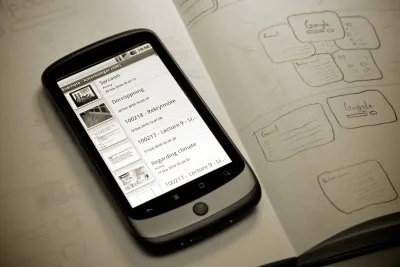
Photo: Johan Larsson from Göteborg, Sweden via Wikimedia Commons (CC BY 2.0)
Google Nexus One Price in India
Buying the Google Nexus One in India
No shop in India that we track has listed the Google Nexus One yet, so there is no local price for it right now. Sell this phone in India? List it on infozme.com for free.
- Warranty: check whether the phone comes with the official warranty in India or is an imported (international) unit. Imports can be cheaper but may not be covered by local service centres.
- Network bands: make sure the model sold in India supports your carrier's 4G/5G bands — see the Network section of the specs below.
- Before you pay: confirm the price, stock, storage/RAM version and colour with the shop, as prices change often.
What is the Google Nexus One price in India?
The Google Nexus One is not listed by shops in India that we track yet, so there is no local price for it right now.
Where can I buy the Google Nexus One in India?
We have not found a shop in India selling the Google Nexus One yet. Phone shops in India can list it on infozme.com for free.
Full Specifications
Display
| Type | AMOLED (initially), later Super LCD due to supply shortages |
| Size | 3.7 inches |
| Resolution | 480 x 800 pixels, WVGA |
| Protection | Not specified |
| Features | PenTile matrix (AMOLED), 254 ppi |
Platform
| OS | Android 2.1 (Eclair), upgradable to 2.3.6 (Gingerbread) |
| Chipset | Qualcomm Snapdragon QSD8250 (Snapdragon S1) |
| CPU | Single-core 1 GHz Scorpion |
| GPU | Adreno 200 |
Memory
| Internal | 512 MB RAM, 512 MB storage (190 MB application storage) |
| Card slot | microSDHC, 4 GB included, supports up to 32 GB |
Main Camera
| Single | 5 MP, autofocus, LED flash |
| Features | 2x digital zoom |
| Video | 720x480 pixels at 20 FPS or higher |
Selfie Camera
| Single | None |
Battery
| Type | Removable Li-Ion 1400 mAh |
| Talk time | Up to 10 hours (2G) / Up to 7 hours (3G) |
| Stand-by | Up to 290 hours (2G) / Up to 250 hours (3G) |
Body
| Dimensions | 119 x 59.8 x 11.5 mm (4.69 x 2.35 x 0.45 in) |
| Weight | 130 g (4.59 oz) with battery, 100 g (3.5 oz) without battery |
| Build | Metal wrap-around casing |
| SIM | Mini-SIM |
Comms
| WLAN | Wi-Fi 802.11 b/g |
| Bluetooth | 2.1, A2DP, EDR |
| Positioning | GPS |
| Radio | Not specified |
| USB | microUSB 2.0 |
Launch
| Announced | 2010, January 05 |
| Status | Discontinued July 18, 2010 (online store) |
Pros & Cons
Pros
- Fastest Android phone at the time.
- Beautiful hardware and design.
- Responsive AMOLED touchscreen (initially).
- Speech-to-text integration and voice-guided navigation.
- Pure Android experience with timely updates.
- Removable battery and expandable storage via microSD.
Cons
- Limited phone or in-person support from Google (initially).
- Confusing pricing and service options.
- Disappointing battery life for heavy users.
- Apps initially installed only to internal memory, not SD card.
- Occasional sluggishness with touch buttons and lack of multi-touch (initially).
- Wi-Fi connectivity issues reported after Android 2.2 update.
In The Box & Warranty
- Nexus One phone
- Removable battery
- Charger
- USB cable
- 4GB microSD card
- Headset
- Quick start guide
Warranty information was typically included in the box with the device.
Questions & Answers
What is the Nexus One?
The Nexus One was Google's first Nexus-branded smartphone, manufactured by HTC and released in January 2010, known for its pure Android experience and powerful hardware for its time.
When was the Nexus One released?
The Nexus One was officially released on January 5, 2010.
Who manufactured the Nexus One?
The Nexus One was designed by Google and manufactured by HTC.
What operating system did the Nexus One run?
It launched with Android 2.1 Eclair and was upgradable to Android 2.3.6 Gingerbread.
What were the key features of the Nexus One?
Key features included a 3.7-inch AMOLED display, a 1 GHz Qualcomm Snapdragon processor, a 5 MP camera, voice-to-text transcription, and voice-guided navigation.
Is the Nexus One still usable today?
While historically significant, the Nexus One is not practical for daily use today due to its outdated operating system, slow hardware, and limited app compatibility and network support.