
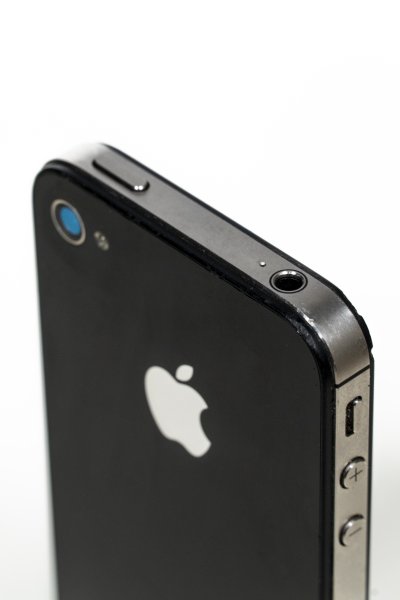
Apple iPhone 4S
Pricing
Pros & Cons
Pros
- Solid and premium build quality with glass and stainless steel.
- Excellent 8MP camera for its time, capable of 1080p video.
- Responsive Retina display with high pixel density.
- Faster dual-core A5 processor provided smooth performance upon release.
- Introduction of Siri offered innovative voice control.
- "World phone" capabilities supporting both GSM and CDMA networks.
Cons
- Design was largely identical to its predecessor, the iPhone 4.
- No 4G connectivity, a disadvantage compared to some competitors at the time.
- Glass front and back made it prone to damage from drops.
- Battery life could be short with intensive use.
- Limited software support, making most modern apps incompatible.
- Proprietary 30-pin connector instead of a more universal standard.
In The Box & Warranty
- iPhone 4S handset
- Apple Earphones with Remote and Mic
- 30-pin to USB Cable
- USB Power Adapter (Wall charger)
- Documentation (Quick Start Guide, Important Product Information Guide)
- Apple stickers
Apple typically provided a one-year limited warranty covering hardware defects and workmanship from the date of original retail purchase, with options like AppleCare+ available for extended coverage and accidental damage protection.
Questions & Answers
When was the Apple iPhone 4S released?
The Apple iPhone 4S was announced on October 4, 2011, and officially released on October 14, 2011.
What was new about the iPhone 4S compared to the iPhone 4?
The iPhone 4S introduced the dual-core Apple A5 chip, an improved 8-megapixel camera with 1080p video recording, and the debut of Siri, Apple's voice-controlled intelligent assistant.
What operating system does the iPhone 4S run?
The iPhone 4S originally shipped with iOS 5 and can be updated to a maximum of iOS 9.3.6.
Does the iPhone 4S support modern apps?
Due to its outdated operating system (iOS 9.3.6), the iPhone 4S no longer supports most modern applications and is severely limited in functionality for current use.
What are the main camera specifications of the iPhone 4S?
The iPhone 4S features an 8-megapixel main camera with an f/2.4 aperture, autofocus, LED flash, and the ability to record 1080p video at 30 frames per second.
Is the iPhone 4S still a good phone to buy today?
No, the iPhone 4S is considered obsolete for daily use due to its age and lack of software support for modern applications; it is primarily suitable for collectors or for very basic, limited functions.